Feature
Meet the London Group: debating and developing the SEEA
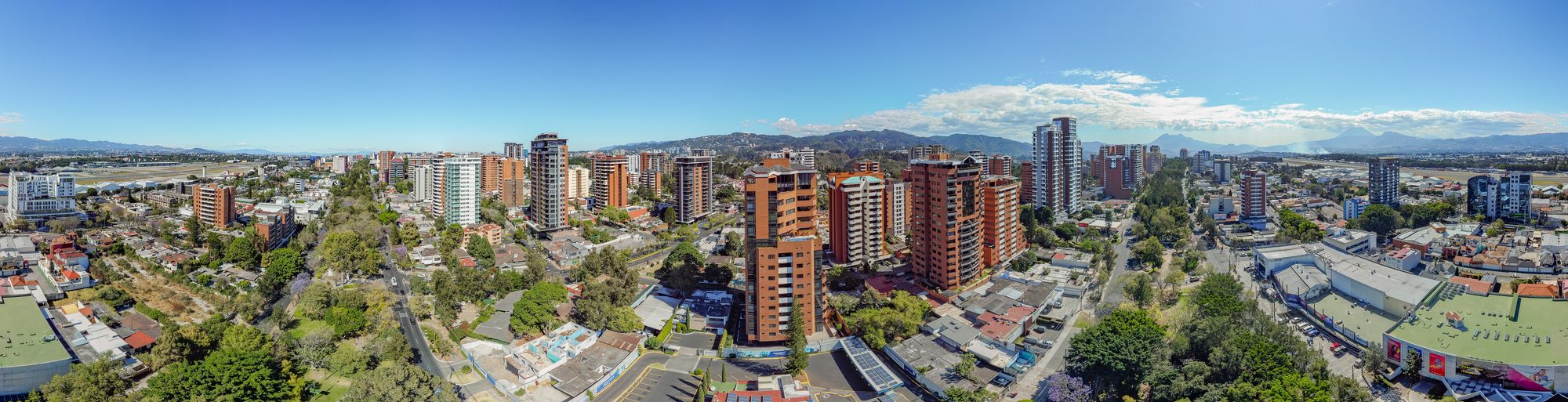
The System of Environmental-Economic Accounting (SEEA) did not arrive fully formed. Much of it was worked out in the London Group on Environmental-Economic Accounting, established in 1993 and first convened in London in 1994. It is an informal, voluntary group of experts, drawn mainly from national statistical offices and international organisations, that meets each year to advance methodological research and develop implementation advice for the SEEA. Its work fed into the SEEA Central Framework and SEEA Ecosystem Accounting. The London Group is currently chaired by Sven Kaumanns of the Federal Statistical Office of Germany. In September it holds its 32nd meeting in Guatemala City, hosted by the Bank of Guatemala.
The London Group's work currently centres on updating the SEEA Central Framework itself, which Carl Obst, editor of the revision, outlined at the Society of Natural Capital Accounting (SoNCA) launch on 18 August 2026. First adopted in 2012, it is being revised to keep pace with new demands, including climate change, the circular economy and biodiversity, and to stay consistent with the 2025 revision of the System of National Accounts (SNA). Much of the London Group's 31st meeting, held in Tallinn in September 2025, was given over to this update, and it will again take up most of the time of the 32nd meeting in Guatemala. This is where the detail of the SEEA is debated: how carbon and other emissions are recorded, how water and other assets are valued, how environmental taxes, subsidies and expenditures are classified, and how all of it lines up with the measures of the economy. Those debates reach well beyond the statistical offices. Whoever compiles or uses natural capital accounts, whether in business, finance, consultancy, government or research, will be working with the concepts debated and practices considered by the London Group. Following its deliberations is how practitioners across the field can keep up with what is coming and, in time, help shape it.
SoNCA is not part of this standards machinery, which is governed by the United Nations Committee of Experts on Environmental-Economic Accounting (UNCEEA), but many of our members are the practitioners who do this work. Raising awareness of the London Group's deliberations is part of the broader exchange of ideas and experience that SoNCA exists to support.